



5-HT Receptor
Serotonin Receptor; 5-hydroxytryptamine Receptor
5-HT receptors (Serotonin receptors) are a group of G protein-coupled receptors (GPCRs) and ligand-gated ion channels (LGICs) found in the central and peripheral nervous systems. Type: 5-HT1, 5-HT2, 5-HT3, 5-HT4, 5-HT5, 5-HT6, 5-HT7. They mediate both excitatory and inhibitory neurotransmission. The serotonin receptors are activated by the neurotransmitter serotonin, which acts as their natural ligand. The serotonin receptors modulate the release of many neurotransmitters, as well as many hormones. The serotonin receptors influence various biological and neurological processes such as aggression, anxiety, appetite, cognition, learning, memory, mood, nausea, sleep, andthermoregulation. The serotonin receptors are the target of a variety of pharmaceutical drugs, including many antidepressants, antipsychotics, anorectics,antiemetics, gastroprokinetic agents, antimigraine agents, hallucinogens, and entactogens.
5-HT Receptor Isoform Specific Products
-
5-HT Receptor
(563)
View all products
-
5-HT1 Receptor
(454)
View all products
-
5-HT2 Receptor
(476)
View all products
-
5-HT3 Receptor
(31)
View all products
-
5-HT4 Receptor
(12)
View all products
-
5-HT5 Receptor
(13)
View all products
-
5-HT6 Receptor
(86)
View all products
-
5-HT7 Receptor
(88)
View all products
All Product Categories
-
5-HT Receptor Inhibitors
(193)
View all products
-
5-HT Receptor Agonists
(546)
View all products
-
5-HT Receptor Antagonists
(680)
View all products
-
5-HT Receptor Activators
(18)
View all products
-
5-HT Receptor Modulators
(96)
View all products
-
5-HT Receptor Inducers
(2)
View all products
-
5-HT Receptor Controls
(19)
View all products
-
5-HT Receptor Ligands
(28)
View all products
-
5-HT Receptor Related Products (1733)
Related Products (1733)

-
Antibodies (1)
-
Related Compound Screening Libraries (1)
-
5-HT Receptor Isoform Comparison
-
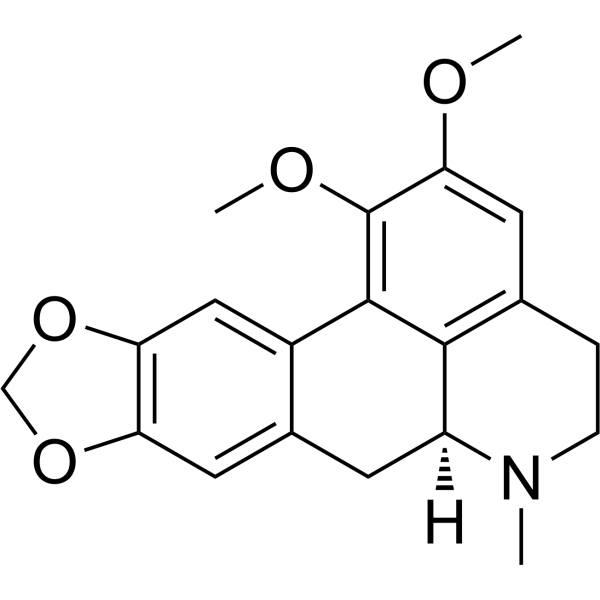
EMD 56551
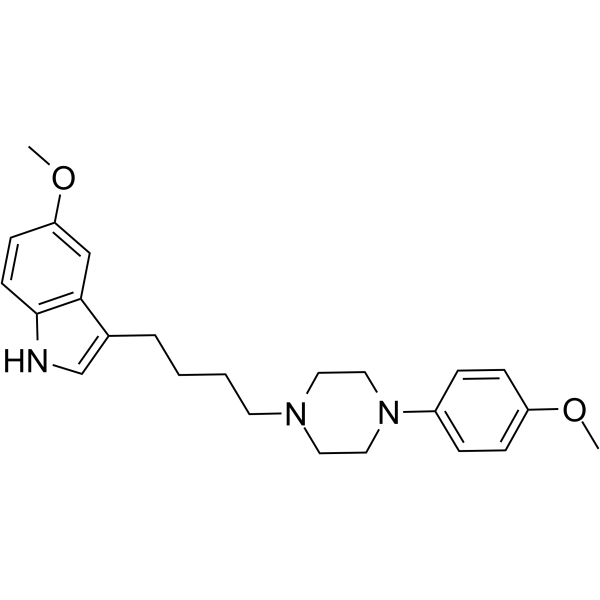 0 ImagesCat. No.: HY-19134CAS No.: 133109-86-1EMD 56551 is a potent and selective 5-HT1A receptor agonist. EMD 56551 exerts anxiolytic activity.
-
Chlorpromazine hydrochloride (Standard)
 0 ImagesChlorpromazine (hydrochloride) (Standard) is the analytical standard of Chlorpromazine (hydrochloride). This product is intended for research and analytical applications. Chlorpromazine hydrochloride is an orally active, blood-brain barrier-transparent antipsychotic agent that effectively antagonises D2 dopamine receptors and 5-HT2A, which is widely used in schizophrenia and other psychiatric disorders. Chlorpromazine hydrochloride exerts anti-cancer activity through a variety of pathways, including anti-proliferation, induction of autophagy and cycle arrest (G2-M phase), inhibition of cytochrome c oxidase (CcO), inhibition of tumour growth and metastasis, and inhibition of tumour immune escape. Chlorpromazine hydrochloride also blocks hNav1.7 channels (IC50=25.9 μM; concentration-dependent) and HERG potassium channels (IC50=21.6 μM), which has potential for analgesic and cardiac arrhythmic studies. Chlorpromazine hydrochloride also can inhibit clathrin-mediated endocytosis.
-
4,4-Diphenylbutylamine hydrochloride
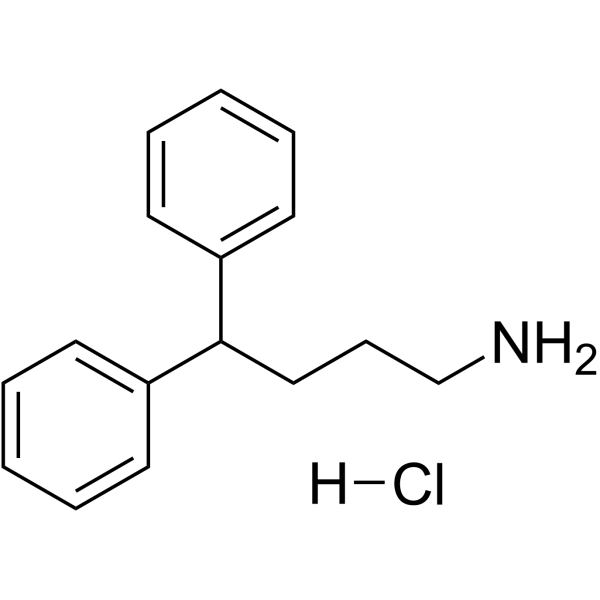 0 Images4,4-Diphenylbutylamine shows affinity for the 5-HT2A and H1 receptors with Kis of 2589 and 1670 nM, respectively.
-
Felcisetrag
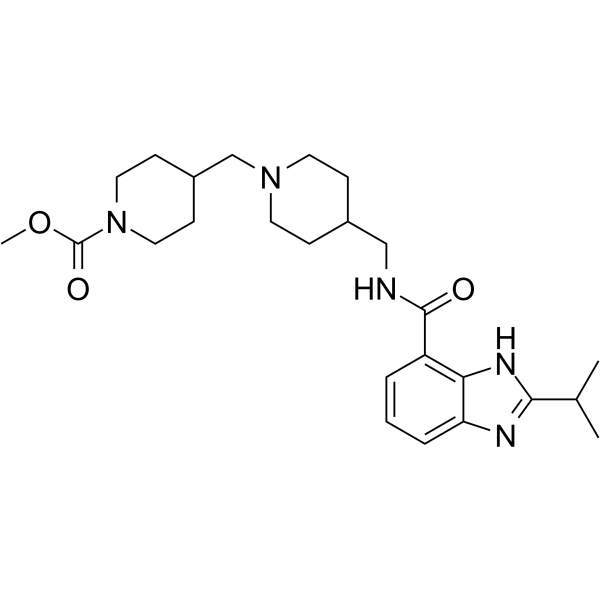 0 ImagesSynonyms: TD-8954Felcisetrag (TD-8954) is an orally active, potent and selective 5-HT4 receptor agonist with gastrointestinal prokinetic properties. Felcisetrag has high affinity (pKi =9.4) for human 5-HT4(c) receptors.
-
(-)-Eseroline fumarate
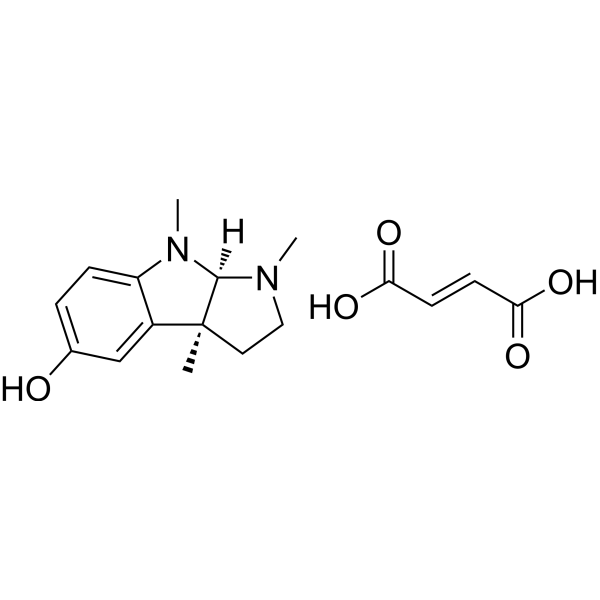 0 ImagesSynonyms: Eseroline fumarate(-)-Eseroline fumarate is a metabolic of Physostigmine (HY-N6608), an AChE inhibitor. (-)-Eseroline fumarate elicits a leakage of lactic acid dehydrogenase (LDH) from cancer cells. (-)-Eseroline fumarate also induces the release of adenine nucleotides and 5-hydroxytryptamine (5-HT) from neuronal cells, thus induce cell death. (-)-Eseroline fumarate inhibits the electrically evoked twitches of the mouse vas deferens and of the guinea-pig ileum.
-
PRX-07034 hydrochloride
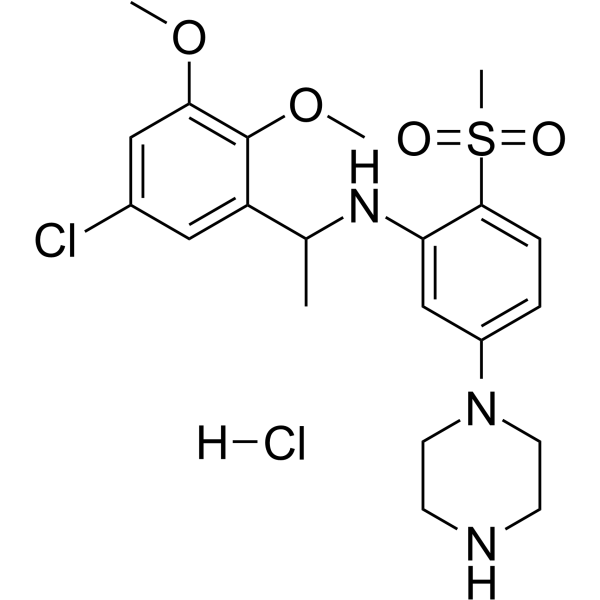 0 ImagesPRX-07034 hydrochloride is a highly selective and potent 5-HT6 receptor antagonist with a Ki= 4-8 nM and an IC50 of 19 nM. PRX-07034 can be used for the research of enhancing working memory and cognitive flexibility.
-
Urapidil-d3
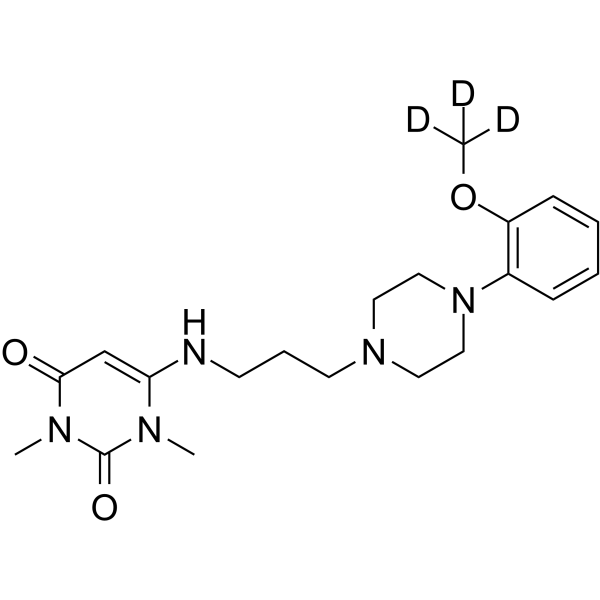 0 ImagesUrapidil-d3 is the deuterium labeled Urapidil. Urapidil is an α1 adrenoreceptor antagonist and a 5-HT1A receptor agonist.
-
5-HT1A modulator 1
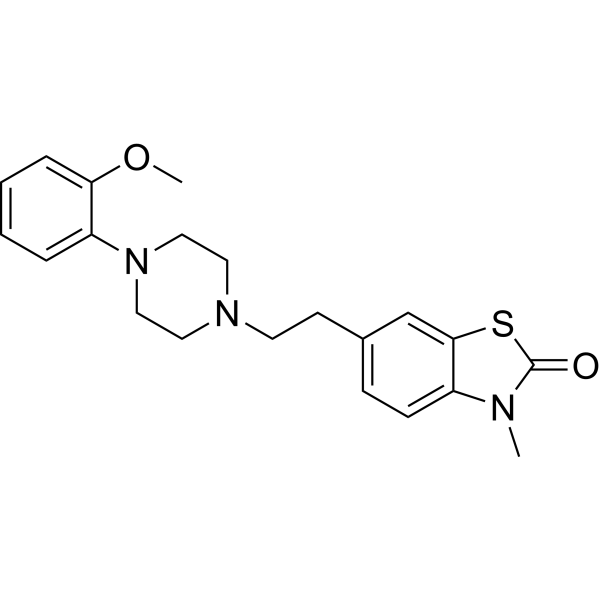 0 ImagesCat. No.: HY-100290CAS No.: 142477-34-75-HT1A modulator 1 displays very high affinities for the 5HT1A, adrenergic α1 and dopamine D2 receptor with IC50s of 2 ±0.3 nM, 10 ± 3 nM and 40 ±9 nM, respectively.
-
4-Methylamphetamine hydrochloride
 0 ImagesSynonyms: 4-MA hydrochloride4-Methylamphetamine hydrochloride is a 5-HT1A receptor agonist that induces hypothermia in rats by binding to the 5-HT1A receptor. Additionally, 4-Methylamphetamine hydrochloride acts on norepinephrine (NE), dopamine (DA), and serotonin (5-HT) transporters to increase the extracellular levels of these neurotransmitters. 4-Methylamphetamine hydrochloride can be used in the study of neurological disorders.
-
S-14506 hydrochloride
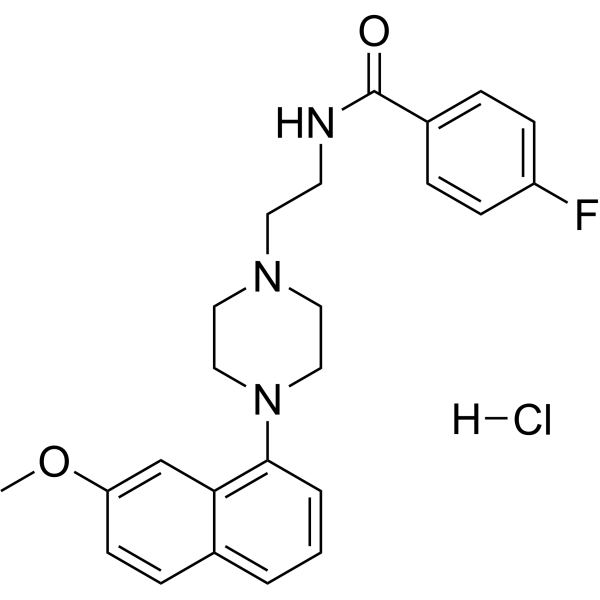 0 ImagesS-14506 hydrochloride is a potent 5-HT1A agonist, as well as 5-HT2A/2C antagonist. S-14506 hydrochloride displays dopamine antagonist properties by blocking dopamine D2 receptors. S-14506 hydrochloride inhibits the in vivo binding of [3H]raclopride in striatum and olfactory bulbs. S-14506 hydrochloride has the potential for the research of anxiolytic agent.
-
GR 55562 dihydrochloride
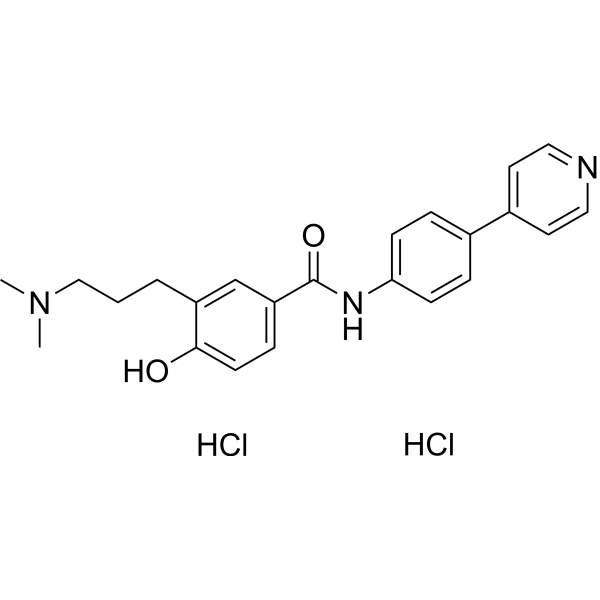 0 ImagesGR 55562 dihydrochloride is a selective 5-HT1B receptor antagonist. GR 55562 dihydrochloride can be used for the research of nerve disease.

-
(-)-5-HT2C agonist-3
 0 ImagesCat. No.: HY-156532CCAS No.: 2104810-16-2(-)-5-HT2C agonist-3 (compound (-)-19) is a 5-HT2C selective agonist with Gq signaling preference, with EC50 values for 5-HT2 receptors of 5-HT2C: 103 nM; 5-HT2B: 570 nM; 5-HT2A: 72 nM. (-)-5-HT2C agonist-3 can be used in antipsychotic research.
-
SB 243213 hydrochloride
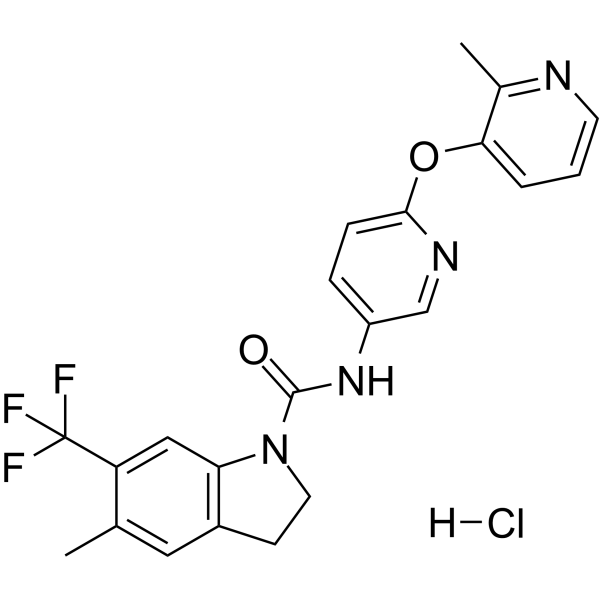 0 ImagesSB 243213 hydrochloride is an orally active, selective and high-affinity 5-HT2C receptor antagonist with a pKi of 9.37 and a pKb of 9.8 for human 5-HT2C receptor. SB 243213 hydrochloride shows greater than a 100-fold selectivity over a wide range of neurotransmitter receptors, enzymes and ion channels. SB 243213 hydrochloride has improved anxiolytic profile and has the potential for schizophrenia and motor disorders.
-
(S)-Volinanserin
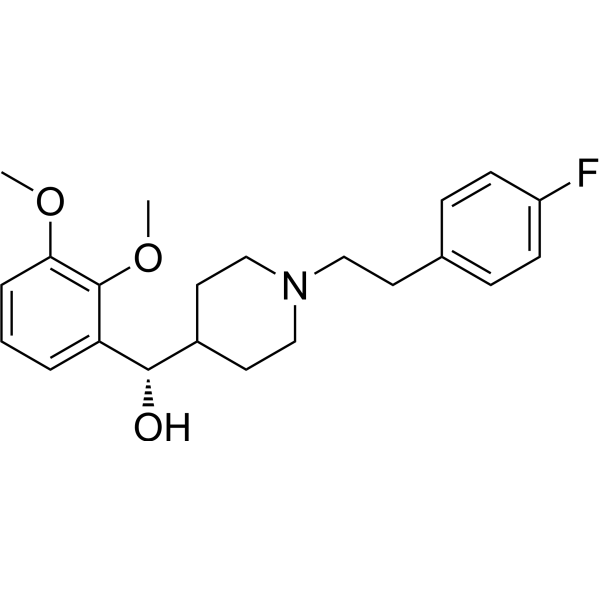 0 ImagesSynonyms: (S)-MDL100907; (S)-M 100907(S)-Volinanserin is an isform of Volinanserin (HY-14940). Volinanserin is a potent and selective antagonist of 5-HT2 receptor, with a Ki of 0.36 nM, and shows 300-fold selectivity for 5-HT2 receptor over 5-HT1c, alpha-1 and DA D2 receptors. Volinanserin has antipsychotic activity.
-
Flumexadol
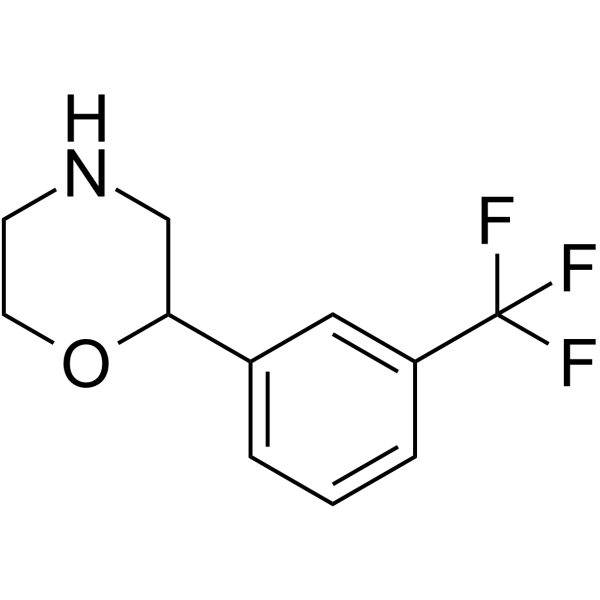 0 ImagesFlumexadol is a selective and affinity 5-HT2C receptor agonist with a Ki of 25 nM for the (+)-enantiomer of Flumexadol, and is 40-fold selective over the 5-HT2A receptor. Flumexadol is an orally active non-narcotic analgesic.
-
Mesulergine hydrochloride
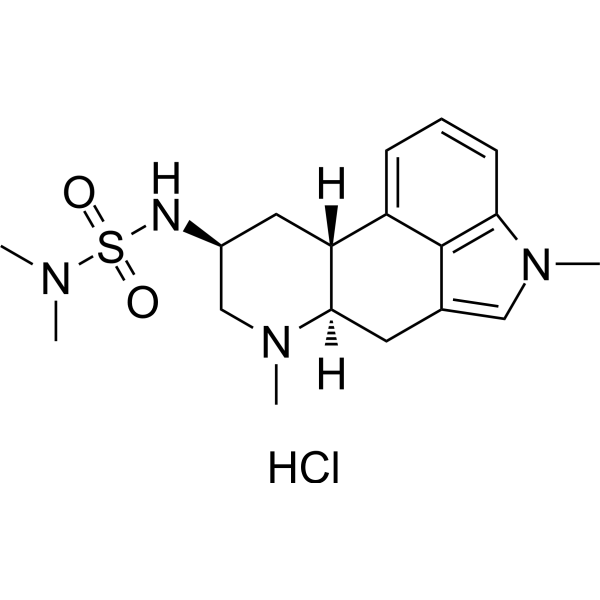 0 ImagesCat. No.: HY-103147CAS No.: 72786-12-0Synonyms: CU32-085 hydrochlorideMesulergine (CU32-085) hydrochloride is a potent 5-HT2C antagonist and dopamine (DA) agonist. Mesulergine hydrochloride presentes hyperphagia. Mesulergine hydrochloride has the potential for the research of cognitive processes.
-
EMD386088
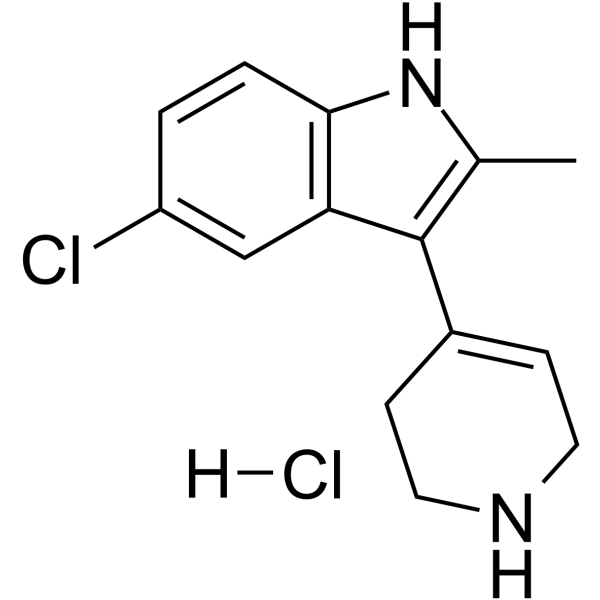 0 ImagesEMD386088 is a potent and selective 5-HT6 receptor (5-HT6R) agonist with an EC50 of 1.0 nM. EMD-386088 is inactive against other HT receptors except 5-HT3R (IC50 of 34 nM). EMD386088 regulates the activity of ERK1/2. EMD386088 has the potential for the research of alzheimer's disease (AD) and schizophrenia.
-
Perphenazine-d4
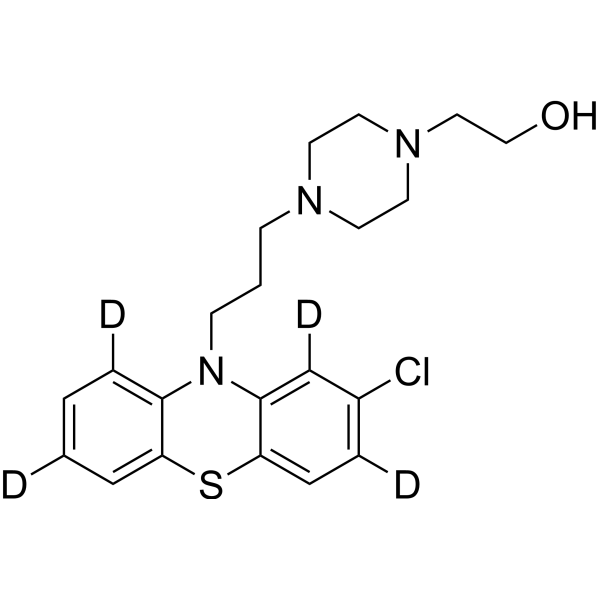 0 ImagesPerphenazine-d4 is the deuterium labeled Perphenazine. Perphenazine is a typical antipsychotic agent, inhibits 5-HT2Areceptor, Alpha-1A adrenergic receptor, Dopamine receptor D2/D3, D2L receptor, and Histamine H1 receptor, with Ki values of 5.6, 10, 0.765/0.13, 3.4, and 8 nM, respectively.




